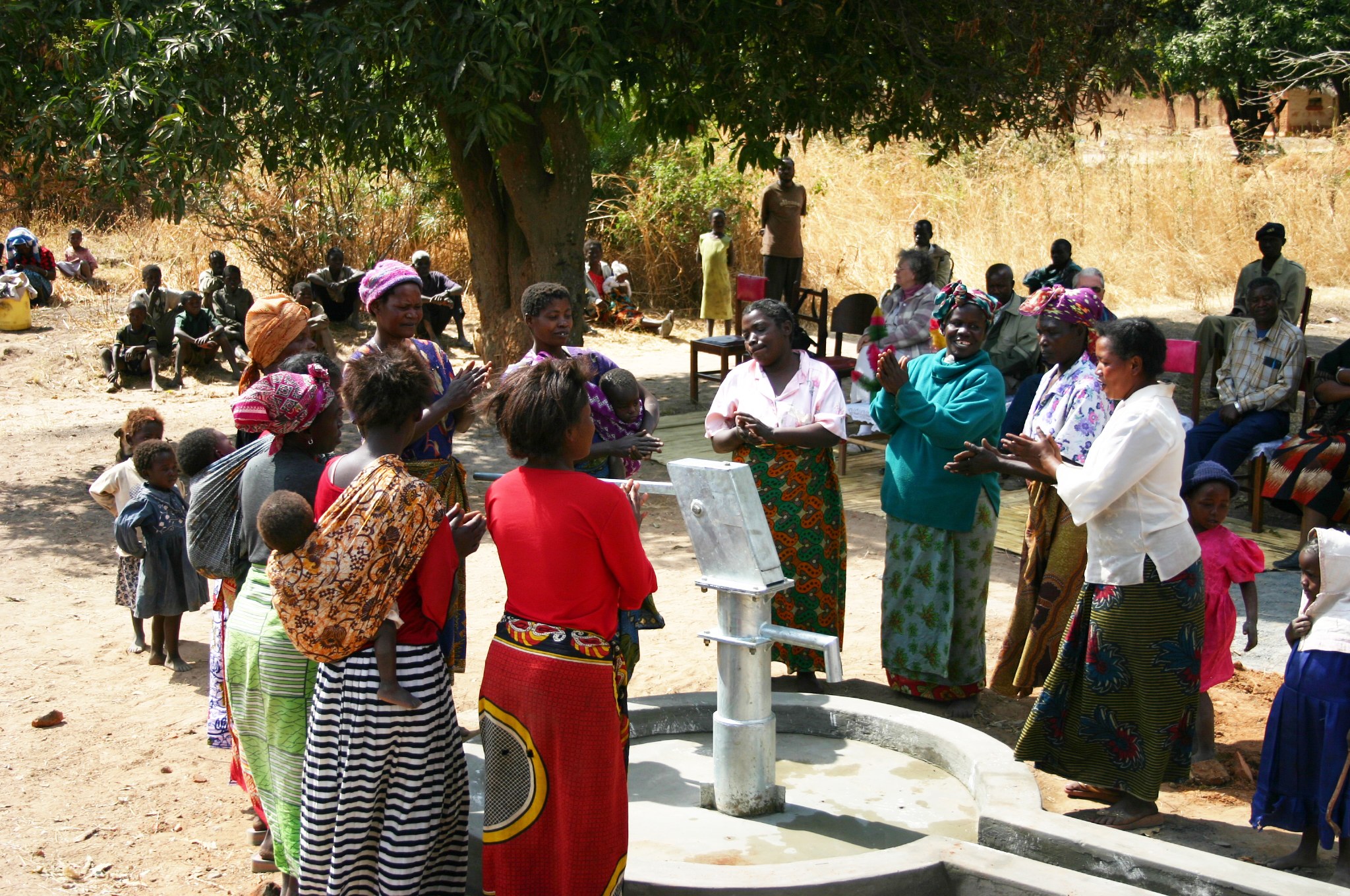
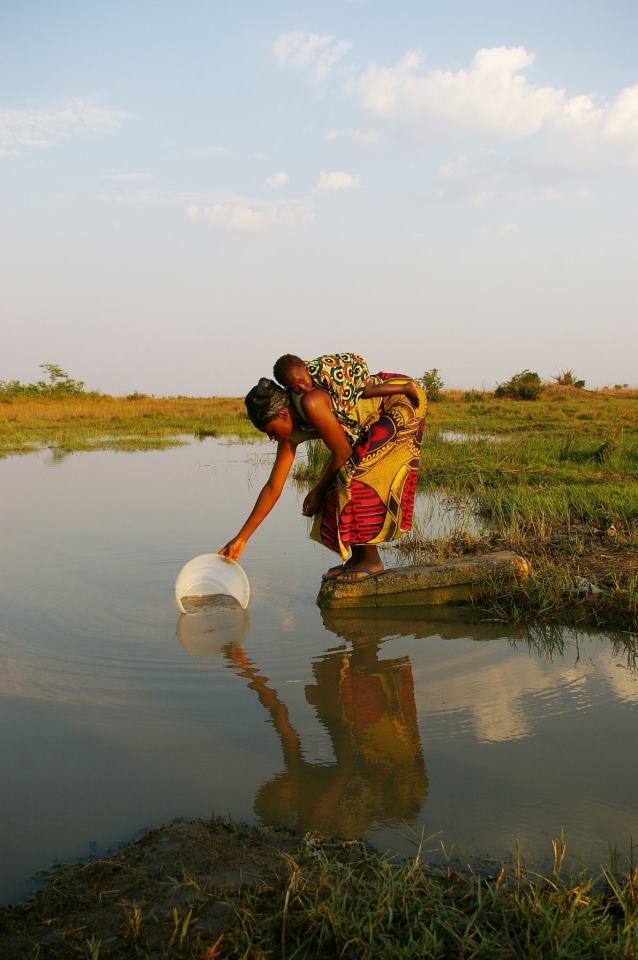
Health, hope, and happiness.
These are the things every mother wants for her children. Mother’s Day is the perfect time to help mothers in Africa give their families all this, and more. Donate to Seeds of Hope today, and help spread a mother’s love.
Each day in Zambia began when we climbed into the minivan and headed out to pick up staff on our way to the Seeds of Hope International Partnerships (SoHIP) Makoli Resource Center. The ride was slow and bumpy as we cautiously weaved our way through cars and pedestrians, but eventually, our full van would arrive at the Makoli Resource Center, and we would gather in the insaka (a traditional thatched meeting building) for a time of Zambian-style worship.
Praising God through song and dance helped every day start a little brighter. Besides that, it helped remind me why I was there: six years ago, while working with Lifewater International, I visited the village of Mackenzie with SoHIP staff—and it broke my heart. After seeing the hardships people there went through every day, I knew I had to get more involved with organizations that work “on the ground” to bring hope to the hopeless. One year later, God provided me with an opportunity to begin working as the Administrator for Seeds of Hope U.S.
I’ve worked to make each visit to Zambia worthwhile, and this one, my fifth trip with SoHIP, was no different. I spent time, as I always do in my role as Administrator, working with our staff to coordinate our financial and program reporting. This March, we laid the groundwork for a completely new system, using tablet PCs and smartphones. All we need now is funding to purchase ten tablets, and someone to manage the reporting database.
Not everything was business—a major highlight of this trip was the International Women’s Day celebration. After fifteen of the female SoHIP staff and I sang and danced our way down the streets of Ndola, the parade concluded with speeches and music at the Ndola civic center. We also discussed how SoHIP will promote the 2013 Women’s Day theme: “The Gender Agenda: Gaining Momentum.”
Each time I visit Zambia, I’m reinvigorated with the energy and drive to continue my work. Seeds of Hope is making a difference in people’s lives, not only in Zambia, but all over Africa. Here in the U.S., I’d be glad to share more about our programs (and maybe a bit more about dancing) with your church or social group. I love what we do, and I think you will, too.
~Christi Williams – SoHIP Administrator
View February 2013 Newsletter as a PDF
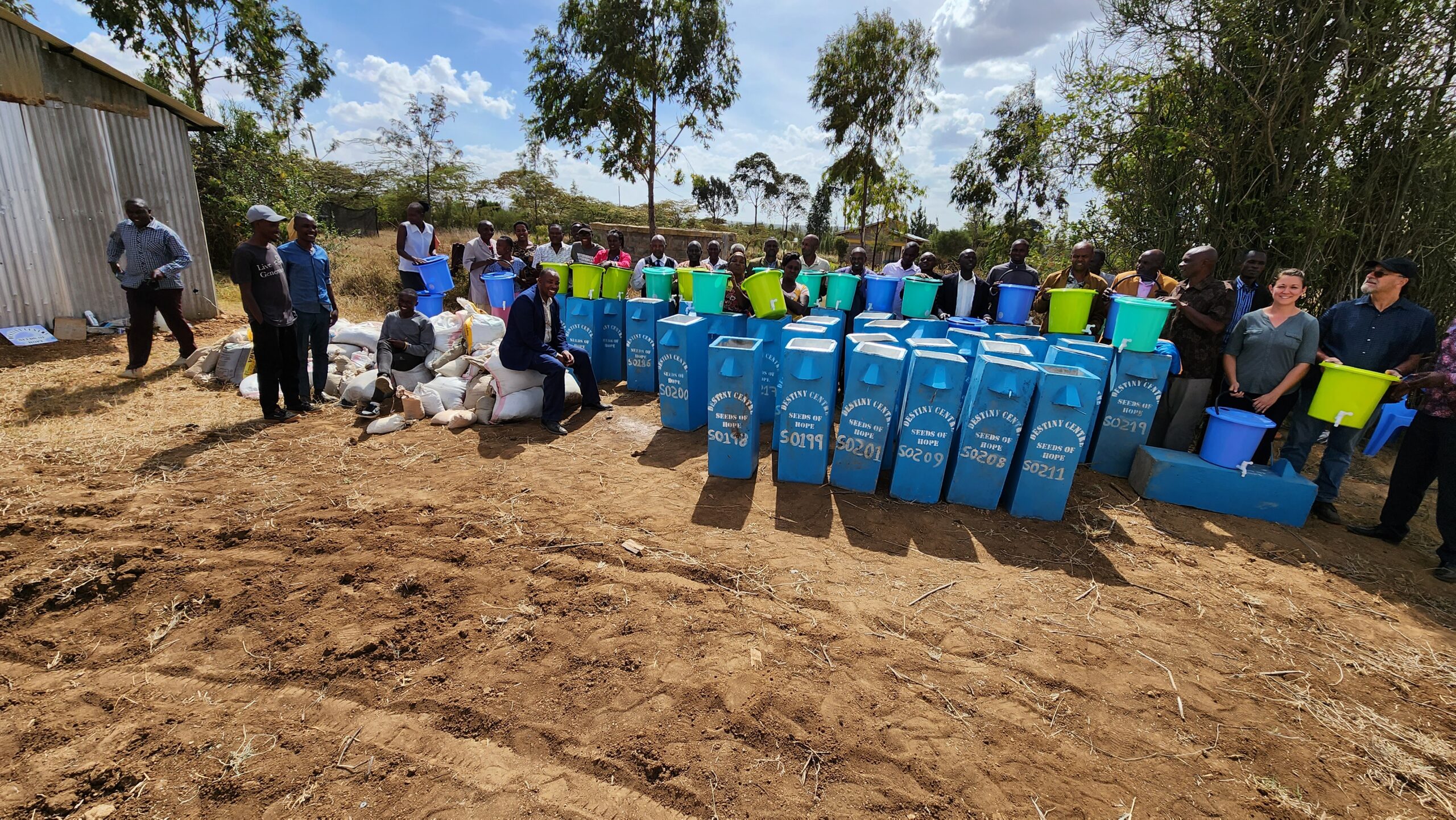
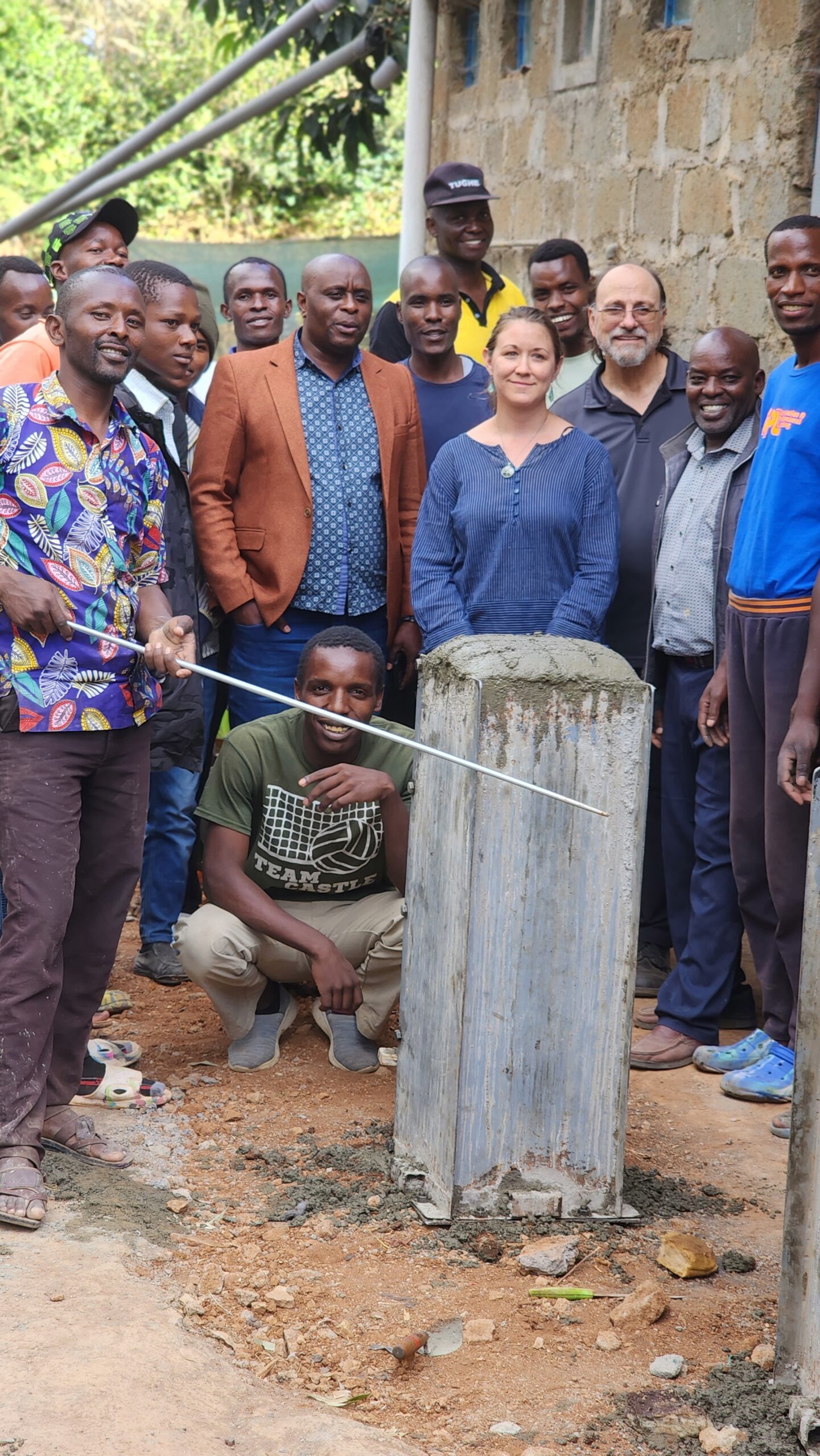
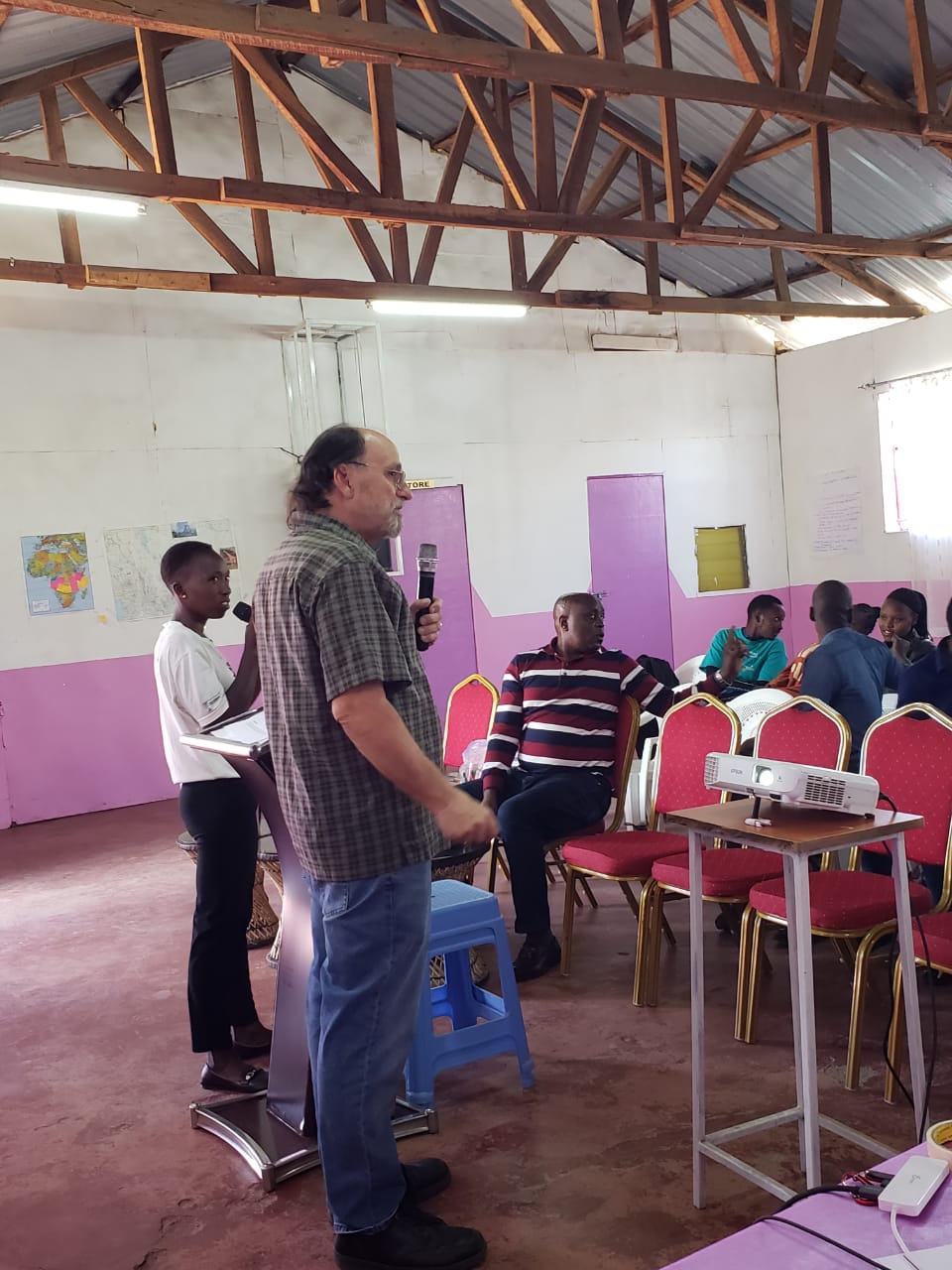
Seeds of Hope is recognized as a global leader in BioSand Filter (BSF) fabrication. To ensure the greatest benefit to the global community, we recently invited partners, collaborating organizations and other stakeholders to our Ndola Resource Center, to participate in the 2013 Africa Biosand Filter Implementers Network (ABINET) Learning Exchange. The Exchange is a week-long opportunity for BSF implementers and our own Water Expertise and Training Center staff to share experiences and solutions with implementers from other African countries, such as Ethiopia, Uganda, Zimbabwe, Malawi, and Zambia. The ABINET Learning Exchange exemplifies many of Seeds of Hope’s ideals, such as our commitment to growth, forward thinking, and unity in the
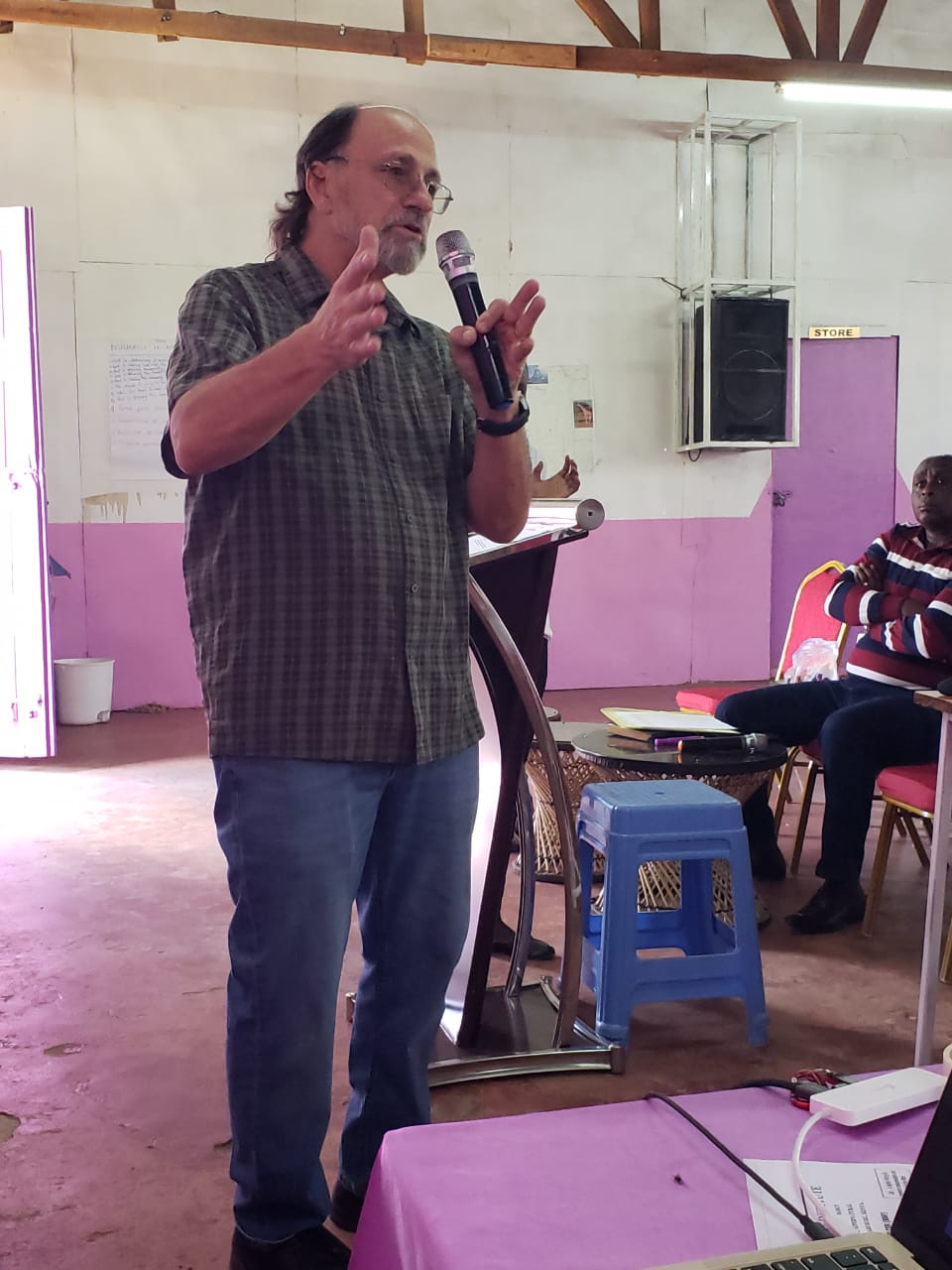
field. This year, attendees learned about the newest BSF technology and household water treatment initiatives worldwide. Also, we have pioneered a large-scale factory model which we shared with those attending, in addition to providing technical consulting support, leadership and implementation training, education resources, and networking services to NGOs, government agencies and community groups involved in water and sanitation. This year’s ABINET Learning Exchange was a rich time of cross-pollinating and networking which will strengthen water treatment initiatives throughout the world.
Last year, Seeds of Hope’s Agriculture Department (AG) graduated 30 students from its first-ever “Farming as a Business” class. Students took part in rigorous in-field and classroom training, and now have the skills either to begin farming cooperatives with the Zambian government, or to establish their own small scale farms. Of course, ongoing support and consultation is key to success when new skills are being used for the first time in the real world, so each week since, members of our AG staff have visited graduates to offer both. A handful of the graduates have even worked so well with our staff, and shown such diligence and competence, that we have hired them for the SoHIP Farm.

SoHIP Farm is always working to improve production and sustainability. Right now, we’re conducting research in the three-crop model, a strategy of crop rotation based on growth time. Ideally, farming cooperatives want toalways be harvesting something, so there is never a major delay in production, or dip in income. Here’s an example of how it works: one of our research groups has planted green beans, carrots, and tomatoes. If everything goes well, once the green beans are harvested, the carrots will be coming, and once those are picked, the tomatoes will be ready. Then the cycle will repeat with different crops, based on seasonal rotation.
This research comes alongside a concentrated effort to maintain detailed profit-vs-loss records, both as part of training for business students, and to track internal progress, in an effort to become completely self-sustaining.
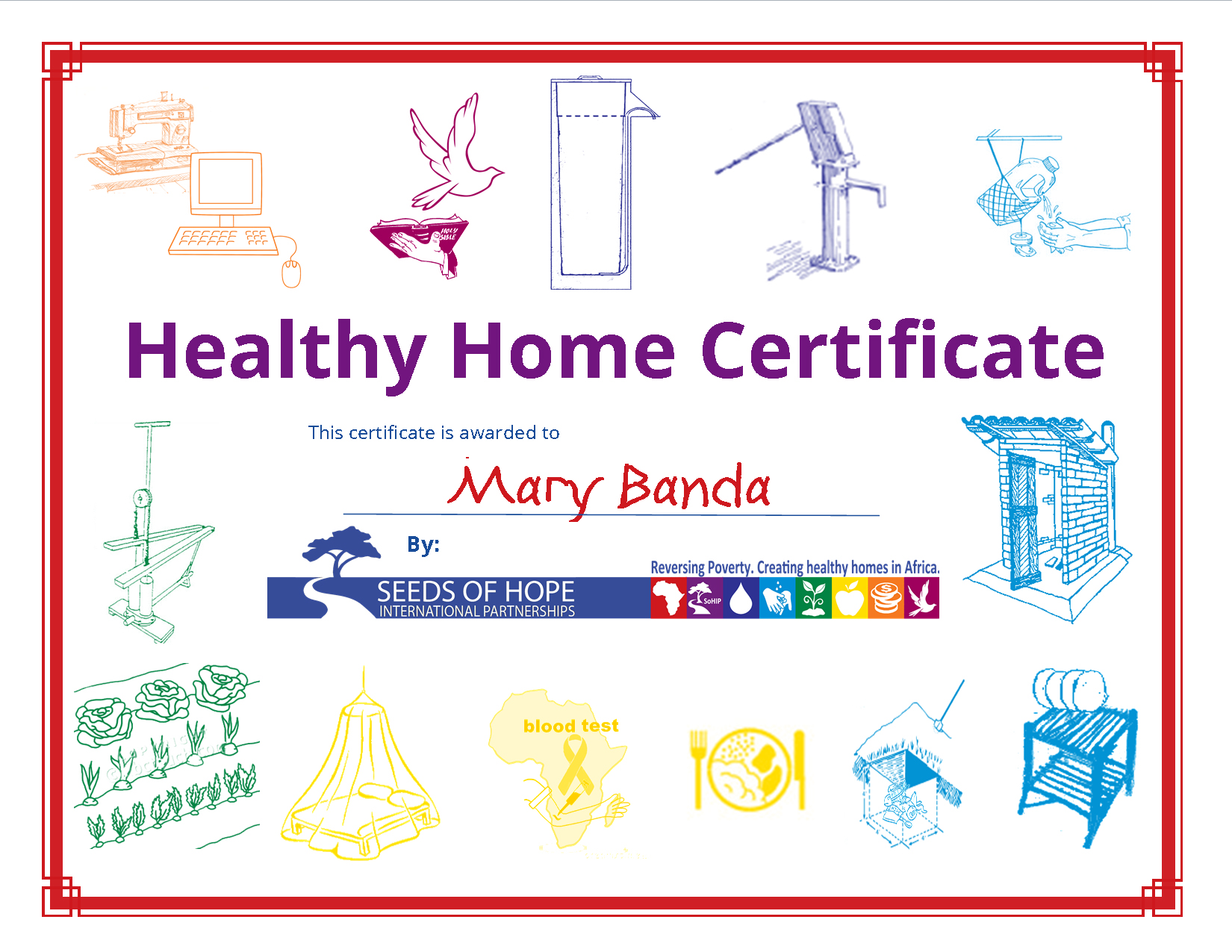
Seeds of Hope works to reverse the downward spiral of poverty by empowering Africans through hope and a strategy of holistic development. This approach is based on the idea that lasting, long-term growth requires simultaneous efforts in multiple interrelated areas. We have seen, for example, that poverty continues in Zambia because of three things: unsafe water, malnutrition, and the inability to secure income. To address only one of those areas would improve the situation temporarily, but the other two would creep in. For people to truly thrive, each of these areas requires attention in symphony with the others.
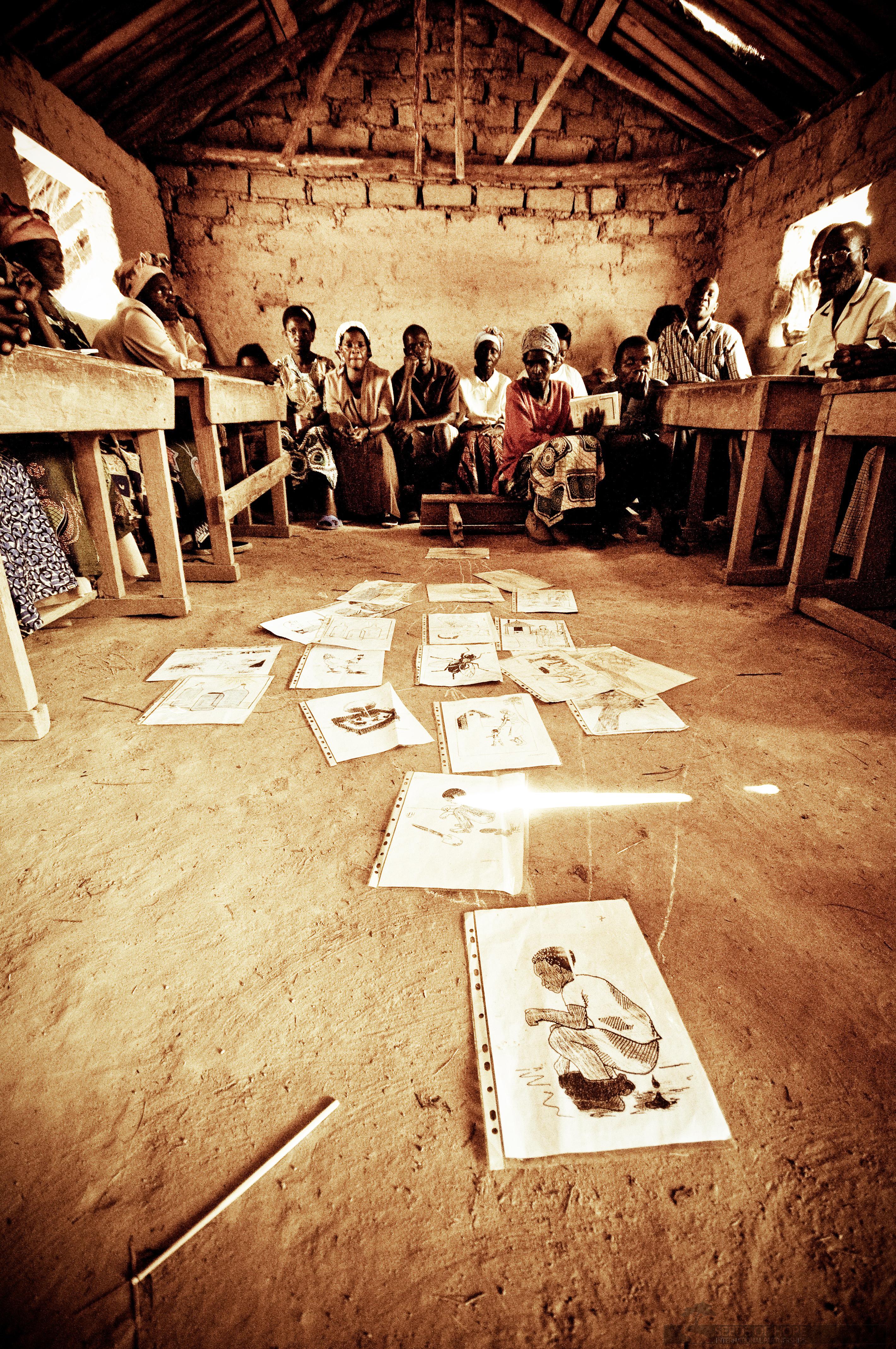
Seeds of Hope’s pioneering holistic approach includes programs focused on water, sanitation, health education, agriculture, vocational training, and business development. This approach culminates at our Ndola Resource Center, which serves as a community hub for inspiration, opportunity, and development. Here, we address the many needs of the community by demonstrating innovative solutions, and through vocational skills classes, laboratory access for quality testing, health education workshops, agriculture training, and water intervention. Seeds of Hope is teaching people—both local and international—to think holistically about the layers of issues and solutions, and how to best implement lasting, life-saving changes.
To find out more about SoHIP’s holistic approach, or the Ndola Resource Center, go to: www.sohip.org/solutions

Seeds of Hope would like to highlight Mountainbrook Community Church for their continuous support! A SoHIP Champion, Mountainbrook has supported Seeds of Hope for nearly a decade from California’s central coast.

Mountainbrook’s support includes sending teams to Zambia, running holiday campaigns, and showcasing SoHIP displays in their church foyer. Furthermore, Mountainbrook’s faithful friendship and support have helped bring clean water to over 5,000 Zambians, through the sponsorship of five water wells, 445 BioSand Filters, three support teams, a drill rig, and two shipping containers packed with necessary items for SoHIP Zambia.In fact, Mountainbrook is currently packing a third shipping container, filled with over 275 bicycles, as well as computers and sewing and drilling supplies. Thank you, Mountainbrook Community Church, for your cheerful giving. It is changing communities and saving lives.
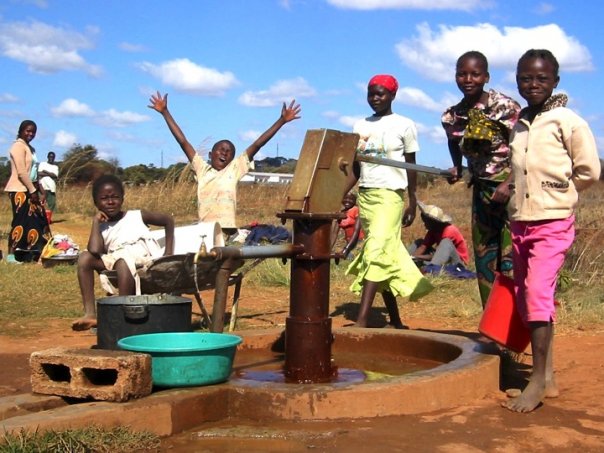
Did you know that the ancient Romans enjoyed a higher quality of drinking water than half the people alive today? Or that more people alive today own a cellphone than have access to a toilet? These basic human rights, like access to safe water and sanitation facilities, are what Seeds of Hope and thousands around the world are working to bring forth on the planet!
Waiting for Water is an ecumenical network of Christians who recognize that millions of people
around the world are still waiting for access to safe water. They provide free resources for churches and individuals to participate in The Easter Journey. Over the Lent and Easter season, here’s how you can get involved:
1. Give up a favorite beverage or activity and donate to SoHIP the money you would have spent to provide safe water.
2. Participate in Bible studies or devotionals created by Waiting For Water’s Christian writers and pastors.
3. Learn from weekend sermons which incorporate the Waiting for Water themes (available to churches only.)
4. Contribute to giving the gift of safe water, and celebrate Easter like never before!
Visit www.waitingforwater.org for more information, downloads, and to watch their “Waiting 2013” promotional video.
Seeds of Hope would like to see you turn 2013 into the Year of The Champion! Significant contributions of time, resources, and expertise by Champions are needed to continue the great work Seeds of Hope is doing!
Champions come in all shapes and sizes- adults, teens, churches, experienced workers, office volunteers, philanthropic organizations, and so on. Simply put, a Champion is an individual or group who fights for or defends a person or cause; an advocate. You can become a Seeds of Hope Champion, save lives, and be featured in our monthly newsletter and on our website by (1) joining us in celebrating that everyone has valuable skills, talents, and gifts, (2) identifying what you have to offer (time, funds, items to donate, a shipping container to host and pack, leading a team to Ndola), and (3) contacting us at info@sohip.org with your ideas. Ultimately, our combined efforts will be able to make lasting changes in African communities.
Some past Champions include:
Orley Campbell (Retired) donated a drill rig, taught SoHIP Staff.
Jake Sherley (Firefighter) gave his time and heart while serving SoHIP Zambia as well as raising funds for BioSand filters and water wells.
David Mann (High School. Biology Teacher) innovated laboratory tests for BioSand filter improvements.
Young Philanthropists (elementary students) moved by their Zambian peers’ needs, raised money to bring clean water to a new community.
Churches packed and sent shipping containers, sponsored vocational students, hosted fund-raising events, purchased textiles, sent missions teams.
Become a Champion today. SoHIP and Africa need you.
In the coming months the Newsletter will showcase Seeds of Hope’s unique approach to community development and changing the lives of people in Africa. Many organizations do a great job of bringing safe water, drilling boreholes, and/or raising awareness, but Seeds of Hope sets itself apart in many ways, some of which may not yet be familiar to you. SoHIP is a truly holistic development organization, which focuses on bringing multi-faceted solutions and lasting hope through strategic, long-term approaches to reversing the causes and effects of poverty in people, communities, and regions.
You may not know that Seeds of Hope has over 70 Zambian employees. Or that our staff are being flown to other countries to train various governments and non-governmental organizations (NGO) across southern Africa. Or that Seeds of Hope hosts international learning exchanges, bringing water solutions experts together to share remedies, challenges, and lessons. Or that SoHIP drillers are among Zambia’s most skilled, qualified water well developers.
Seeds of Hope is on the ground, run by nationals, and empowering people with the skills, training, and information they need to transform their lives and their communities.
Every SoHIP department demonstrates organization’s values—from the compassionate hands of staff when delivering BioSand Filters, to the transparency and accountability of our bookkeeping. Our transparency is upheld by SoHIP’s status of being one of the few NGOs in Zambia with audited books and certified accountants.
We look forward to sharing in 2013 what makes Seeds of Hope so unique.
Seeds of Hope- USA has recently moved. Please update your records to reflect these changes:
| Mailing Address | Physical Address | General & Gifing Inquiries |
| PO Box 4405 | 11549 Los Osos Valley Rd Ste 106 | +1.805.439.1489 |
| San Luis Obispo, CA 93403 | San Luis Obispo, CA,93405 | info@sohip.org |
![]() Evans Chiyenge WET-C Director |
![]() Sam Phiri Program Manager + Interim Director |
![]() George Musabandesu Head of Trainings, Ndola |
![]() Kebby Ntabo Chief Accountant |
![]() Terry + Carolyn Webster Systems Development + Maintenance Crew Trainer Vocational Teacher |
![]() Matt Ellis Head of Agriculture |
![]() Dan + Mary Vissani R+D and Pastoral Care Int’l Teams + Guest Service Coordinator |
![]() Peter Duane Volunteer, Water + AG New Technologies |
Seeds of Hope is working to strengthen the Resource Center. Currently, a shipping container is being filled with bicycles, an old army truck, sewing machines, and other needed supplies. Please check the list of items needed and see how you can contribute to this container! You can mail in or drop off donations in San Luis Obispo or Redding, California. We greatly appreciate all donations. However, we cannot currently accept books, clothing, or used shoes.
Recently, Seeds of Hope International Partnerships has crossed a major threshold where we have brought clean water to over 500,000 people living in Zambia. To put that into perspective it is 1/20th of the population of Zambia.
Seeds of Hope’s farming training is just about to start with 25-30 students!

Working in the fields at our urban agriculture demonstation farm

Students transplanting onions

Matt Ellis, Head of Agriculture

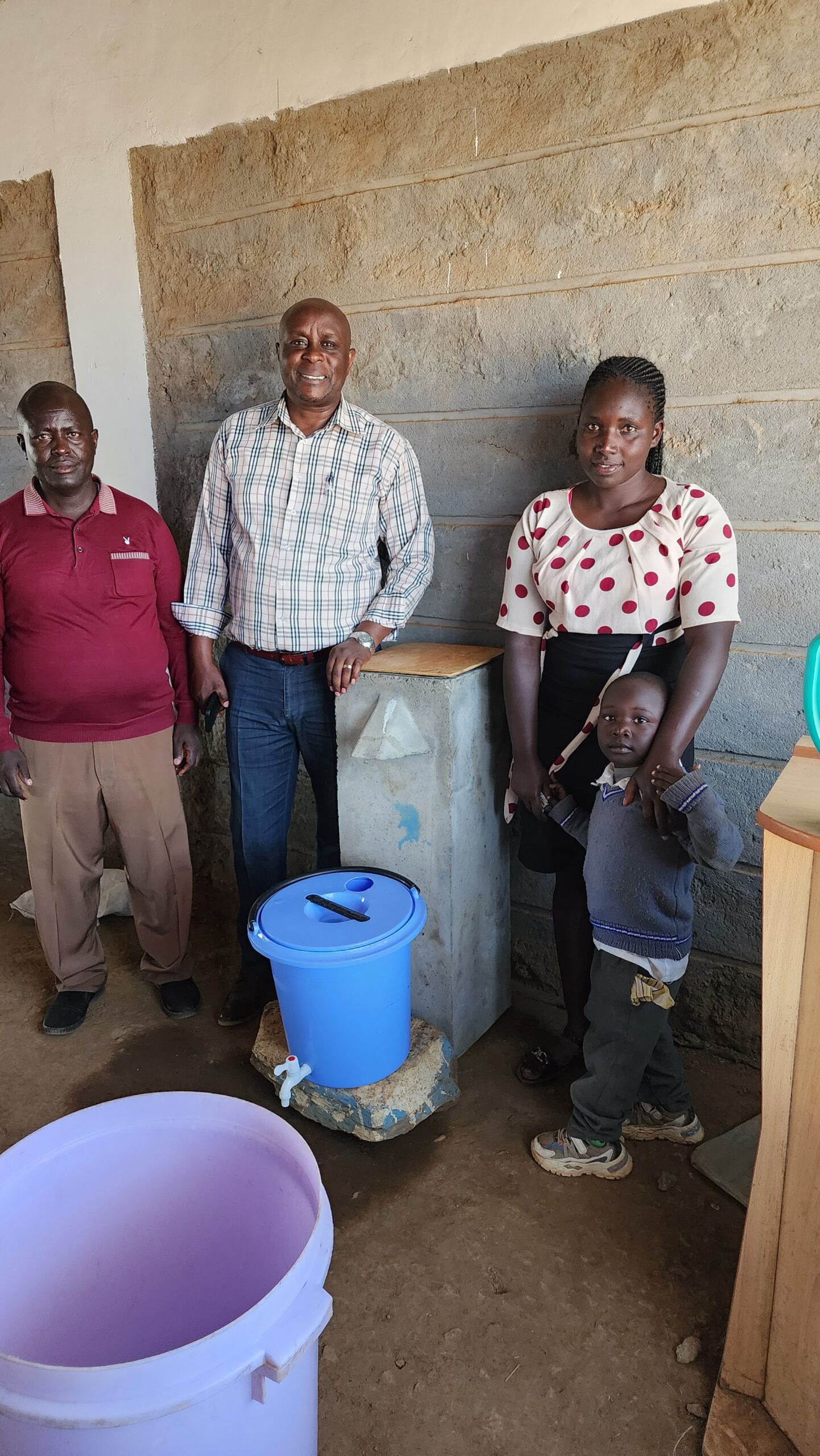
2. It can be installed inside peoples homes, in fact it is preferred installation to be right in the area that people are preparing their food and storing their water.

3. When you pour water into it to purify the water it actually is reported (by the people we give them to) as improving the taste of the water that is poured in.
4. The concrete filter adds a cooling effect to the water and people also prefer it because it is more refreshing than other methods to clean your water.
5. The filter is “point of use” which means that it filters right before you use it, which solves some of the problems of recontamination of the water before you actually drink it.
6. It last a long time, there are filters that have been working over 20 years and the sand never needs to be replaced.
7. It is easy to clean when it does get clogged it is a simple swirl and dump to start it working like new again.
8. It is low cost and can be paid for locally as it gains popularity

9. It has the ability to be scaled up to do larger volumes of filters.
About BioSand Filters BioSand Filter Factory BSF Community Workshops
GORETH CHANSA:
Goreth’s home is in Nkwazi with her grandmother. She has also been working in SHIP’s sand filter factory for about 1 year. She is another one who found training to be a challenge when it commenced as, like her fellow participants remembering tool names and bicycle parts proved difficult. However, now she has grasped the information and is very happy because she can service the bicycles by herself and do road tests. She continues everyday to progress in her abilities to repair bicycles better.
BRIAN PHIRI:
Brian lives in Mapalo compound, is married with children and also takes care of his brother. He has worked making blocks for Seeds of Hope as a contract laborer for about 6 months.
He said that it was difficult for him to understand the different tools and their uses but as the days went by he began understanding and he now feels happy about his new found ability to repair bicycles.
He also thanked Seeds of Hope and its partners for the training that they are providing.
We are right now collecting 400 bikes for another container shipping at the end of April from California and Colorado. We sure could use your help if it is possible

About 400 bikes fit into a container like this and we are collecting them right now!
(Click here for the PDF version of the August 2012 Newsletter)
Hello Champions,
This month I am taking a moment to personally inform you of some very exciting news! As the Founder and Director of Seeds of Hope I have been privileged to be a part of each step of the Seeds of Hope journey since 2003. Four years ago I expanded my role to include serving as the Zambian Director and since then we have seen God do many incredible things! We have been part of changing the history of many villages, households, and individuals as we bring Hope in Christ through clean water, education, and agriculture. As an organization, Seeds of Hope Zambia has grown to 66 employees, successfully passed a financial audit and diversified our financial base to include a larger percent of income from in-country sources. We have become a WASH (Water, Sanitation and Hygiene) Center of Expertise (WET-C) in our region and are now training throughout Africa.
Over the past year, Denise and I have seen puzzle pieces coming together in our lives that are just now becoming clear. We feel that it is time to transition from living full-time in Zambia and my role as the Seeds of Hope Zambia Director, to moving to the United States and focusing on my role as the Seeds of Hope International Director in order to strengthen Seeds of Hope U.S.A. operations. The main reason we have made this decision is that:
Seeds of Hope U.S.A. needs our attention. We have chosen to build in Zambia and Zambia has steadily grown, but the US side has yet to experience such robust growth. This change will allow us to develop SHIP US’s capacity and Champions base, establish internships, raise additional funding, and boost SHIP’s initiatives and future projects.
My family and I are in the process of relocating to the United States this month and making our new home in Redding, California where I will continue my work as International Director, taking multiple trips to Zambia each year. The department heads and senior leadership team in Zambia are stronger than it has ever been. I am excited to see our staff take more ownership of our Zambian projects! I will be gone from Zambia for about six weeks and then return in late September to evaluate the first phase of the transition.
My next chapter will be focused on building SHIP U.S.A. into a flourishing base and increasing the reach of both the U.S.A. and the Zambia offices. Together, through our strategic partnerships, we will take the next steps to develop Seeds of Hope U.S.A. into a vibrant international organization. We will do this through increasing our visibility and strengthening our funding base by showcasing our financial stewardship and maximizing Champion involvement. We are committed to seeing hope transform nations through practical solutions, empowerment, and God’s love. We feel these are the next steps in building a strong foundation for SHIP.
Our goal is to see Seeds of Hope Zambia mature into helping their own people and others around the world. I am filled with anticipation because this transition is a necessary step in achieving that goal. We are expectant and excited for the coming transition and fulfillment of God’s promises for Zambia!
Thank you for your consistent support; join us in rejoicing for this wonderful opportunity to shift Seeds of Hope into the next major stage of development! Remain steadfast in prayer as we continue to follow the Lord in this journey.
God bless you,
Kirk Schauer
Founder & International Director
P.O. Box 4405
San Luis Obispo, CA, USA
93403
1159 Los Osos Valley Rd. Ste. 106
San Luis Obispo, CA, USA
93405
"For I know the plans I have for you," declares the Lord, "plans to prosper you and not to harm you, plans to give you hope and a future."
Jeremiah 29:11